
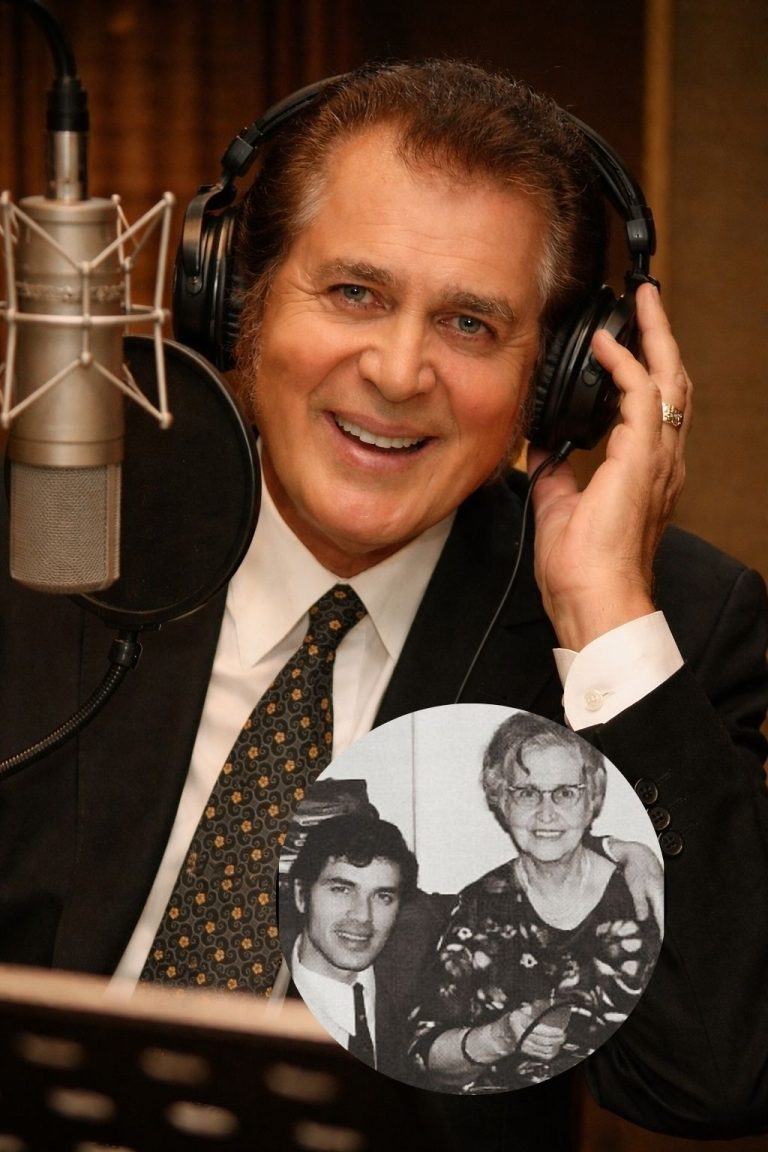
Few voices in modern music carry the same timeless warmth and emotional depth as Engelbert Humperdinck. Across decades, his songs have filled concert halls, radios, and quiet living rooms, becoming part of cherished memories for millions. Yet behind the applause and worldwide recognition lies a story so intimate, so deeply personal, that it remained hidden from public ears for years.
Long before fame reached its peak, before sold-out performances and international acclaim, there existed a moment untouched by spotlight—a moment defined not by audience applause, but by love, gratitude, and quiet devotion. Within that moment, Engelbert sang a song that was never recorded, never released, and never intended for public hearing. It was a song meant for one person alone—his mother.
Many fans have often wondered whether there were songs left unsung, stories left untold. In this case, the answer is both simple and profound. This was not a forgotten track or an unfinished recording. It was a deliberate choice, a private offering that carried meaning beyond music itself.
In a quiet room, away from cameras and crowds, Engelbert is said to have performed this deeply personal melody. No grand stage, no orchestra, no audience waiting in anticipation. Only a son, standing before the woman who had supported him long before the world knew his name.
💬 “This one… I sing only for you,” he is believed to have said softly.
That single line, gentle yet powerful, reveals more than any public performance ever could. It speaks of a bond that cannot be replicated on stage, no matter how grand the setting. While audiences around the world experienced his voice as a source of comfort and romance, his mother heard something even deeper—a son’s gratitude woven into melody.
Stories like this rarely surface in an industry often focused on charts and recognition. Yet, they remind listeners why music exists in the first place. Not every song is meant to be shared widely. Some are created for moments that exist only once, never to be repeated, yet forever remembered by those who experienced them.
Years later, as fans revisit Engelbert’s long career, this quiet story continues to surface in conversations, leaving many reflecting on the man behind the voice. It challenges the familiar narrative of celebrity, revealing a side defined not by fame, but by humility and heartfelt connection.
No official recording of this song has ever been released. No lyrics have been published. No audience can claim to have heard it in full. Yet perhaps that is precisely what gives the story its enduring power. In a world where everything is shared, recorded, and replayed, something remains untouched—something that belongs solely to a memory between mother and son.
Listeners who discover this story often find themselves pausing, reflecting on their own lives. Thoughts drift toward family, toward moments that may never have been expressed fully, toward words that perhaps were never spoken aloud. Music, in its purest form, has always been about connection. In this case, it becomes something even more—a quiet reminder of what truly matters.
Time moves forward, as it always does. Legends continue to be celebrated, songs continue to be played, and voices continue to echo across generations. Yet among all those echoes, this particular moment stands apart—not louder, not grander, but infinitely more personal.
Perhaps that is why it lingers.
Not every story needs a stage. Not every song needs an audience. Some are meant to remain where they began—held gently within memory, carried silently through time.
Somewhere within that silence, a melody still exists… unheard by the world, yet felt more deeply than any applause could ever express.